2025 in review: the year everything changed
2025 has been the most transformative year of my life. Not just professionally, but personally, emotionally, and physically.
Table of contents
2025 has been the most transformative year of my life. Not just professionally, but personally, emotionally, and physically. Just like my review of 2024, 2023, and 2022, I'll be using James Clear's three-question template:
- What went well?
- What didn't go as expected?
- What did I learn
Let's dig in!
☀️ What went well?
1. We checked off a bucket list goal: Three Michelin-starred restaurants in one year.
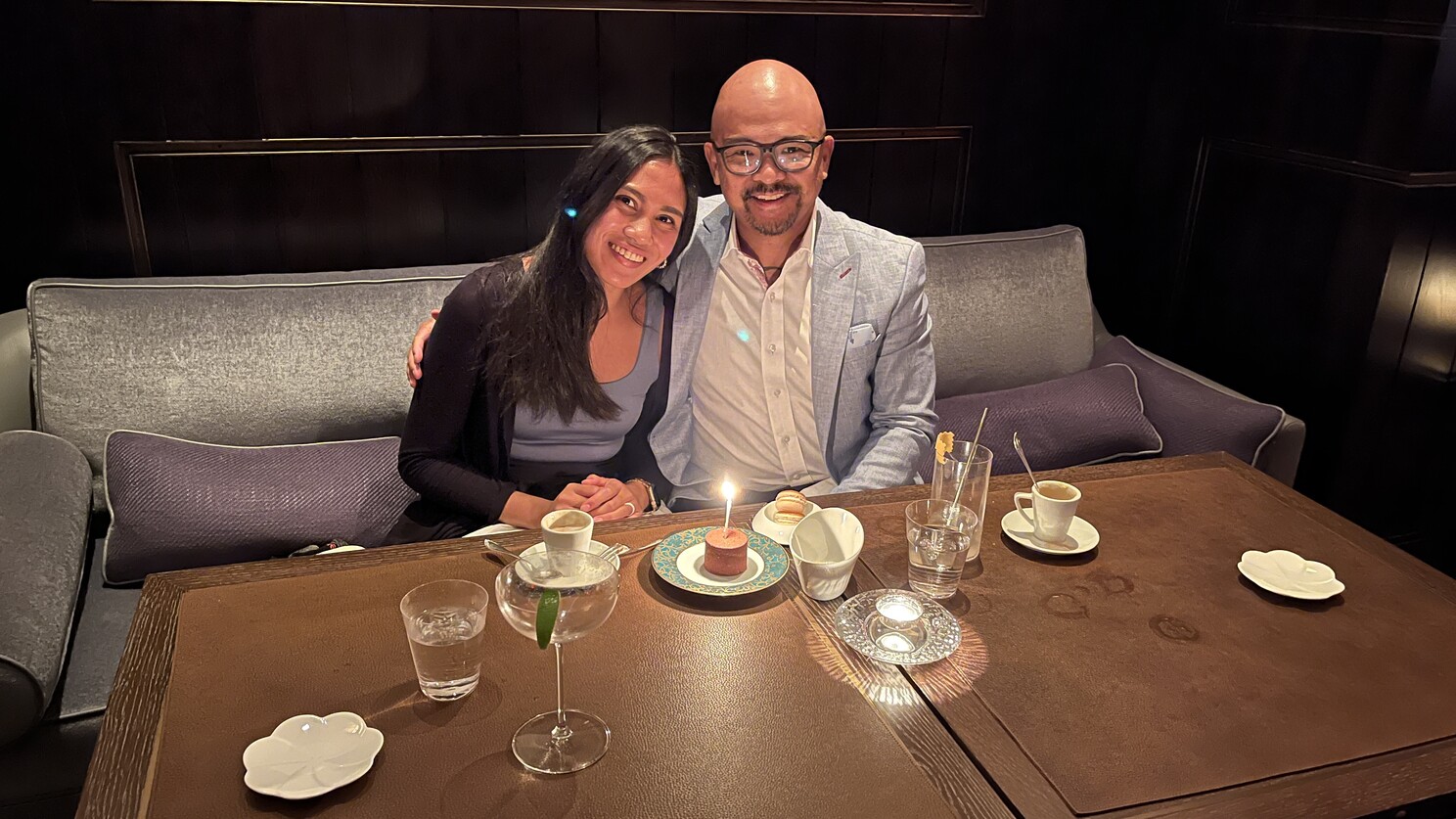
One of my goals for 2025 was to travel and dine at three Michelin-starred restaurants with Joanna. We did it—and each experience was unforgettable.
Alinea in Chicago (June) - We celebrated my 40th birthday here during my book launch trip. It was the most fun I've ever had at a restaurant. Magical, playful, and completely unlike anything else.
Alo in Toronto (August) - A stunning French restaurant to celebrate our 7-year wedding anniversary. Right in our own city, and absolutely world-class.
Per Se in New York City (September) - Joanna's birthday celebration at Thomas Keller's legendary restaurant. This trip was extra special—it was our first solo trip without Zane since he was born. We left him with his grandparents for a long weekend, and it reminded us how important it is to protect time for just the two of us.
2. Delight Path turned one year old—and exceeded every expectation.
In October, my solo consulting business, Delight Path, celebrated its first birthday. What a year it's been.
I doubled my income compared to my previous full-time role—while working fewer hours and creating more flexibility for my family.
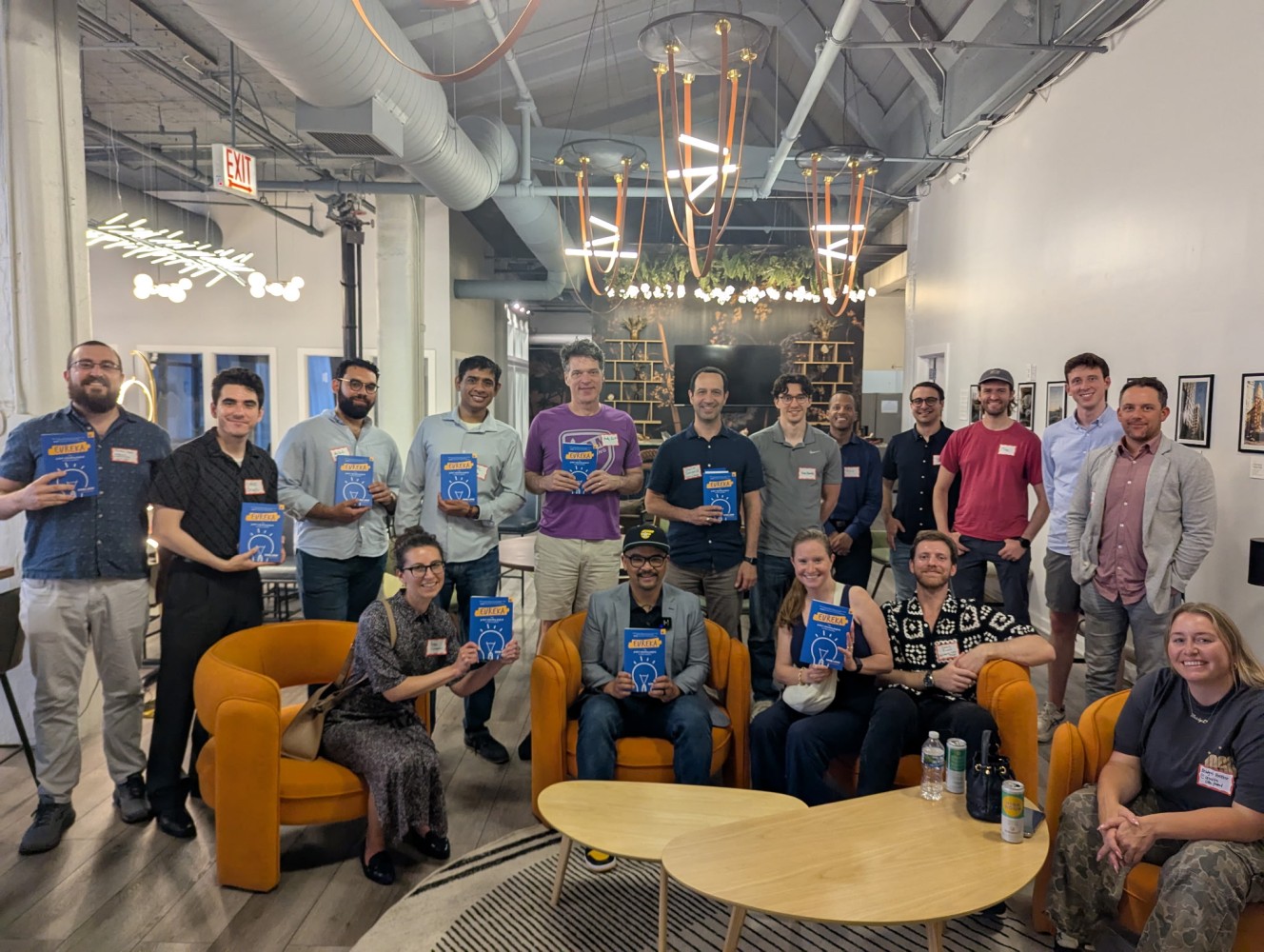
I worked with incredible companies, from startups to billion-dollar enterprises like TeamViewer and Cisco. I published my second book, EUREKA: The Product Onboarding Playbook, and hosted my first in-person book launch party in Chicago:
I also hosted two virtual summits:
- Product Onboarding Summit in June during my book launch, with over 500 attendees at the virtual celebration
- AI Product Leaders Summit with over 1,000 attendees from companies like Shutterstock, Adobe, 7shifts, and more
I also did my first-ever in-person book launch parties in Chicago and New York City. Seeing over 50 online friends show up in person was one of the most meaningful moments of the year.
But here's what I'm most proud of: I couldn't have done any of this alone. As I shared in this LinkedIn post, the relationships I built—with family, friends, mentors, and fellow entrepreneurs—were the foundation that made everything possible.
Year 1 was about depth: going deep with clients, mastering the craft, building the foundation.
Year 2 will be about reach: building something that compounds beyond 1:1 work and optimizes for impact at scale.
3. I turned 40—and ran my first half marathon.
I've learned something about myself: I do well when I pick a date and commit to it publicly. Announcing the publish date of my book forced me to focus and actually launch it. So when I turned 40 this year, I knew I needed a physical challenge to match this milestone.
I signed up for a half marathon in Hamilton, Ontario—Wes Bush's hometown. And on November 2, I completed it in 2 hours and 19 minutes.
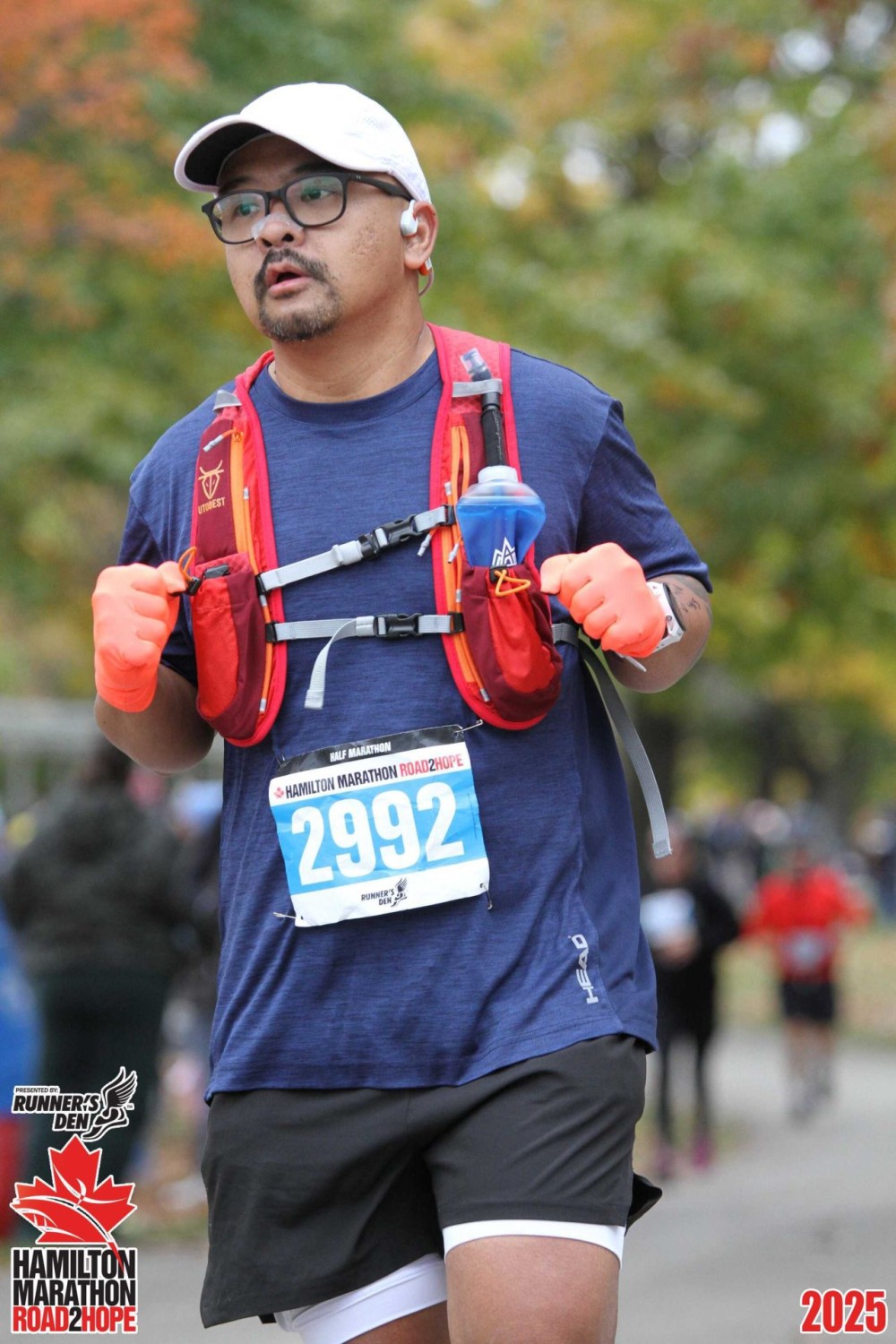
I started with a 16-week training program created by Claude (yes, AI helped me train!). Three times a week of running, peaking at 37 km per week. I totaled almost 400 km during my training block.
I've never felt more fit. I lost about 10 pounds in the journey, and I'm looking to lose more as I train for the Chicago Marathon in October 2026.
Yes, I'm addicted now. I even created an Instagram account for running: @ramliruns.
My wife has caught me many times watching videos on running shoes and YouTube channels about running form and training. My sister told me that my whole personality is now about running. She's not wrong. 😅
🌧 What didn't go as expected?
1. The roller coaster of running a consulting business.
When I came across this image created by entrepreneur Derek Halpern last year, it struck a chord. The entrepreneurial journey isn't a straight line upward—it's full of extreme highs and lows.
This year, I lived it.
The challenges were real: Months with zero leads. Getting ghosted by prospects after sending proposals. One (maybe two) client projects that went completely sideways due to scope creep
Revenue is lumpy. Some months peaked at $50,000. Others dipped to $2,000, depending on timing and deal closures.
There's obvious seasonality too. Summer is quiet—vacation time for everyone. Enterprise deals can take months to close.
Almost 100% of my revenue comes from consulting. It's something I've been thinking a lot about as I plan for 2026.
But here's what I'm learning: these ups and downs are normal. They're part of the game. And building systems, maintaining relationships, and staying focused on the long-term vision is what gets you through the valleys.
2. The cost of saying no.
This is the first year in a long time I didn't create any "content." I don't mean LinkedIn posts—I mean something meaningful with lasting impact that I can be proud of. Like a podcast, blog post, or fun creative projects.
(If you haven't seen my UX version of "Lose Yourself" by Eminem from 2024, you should check it out. That's the kind of stuff I love making.)
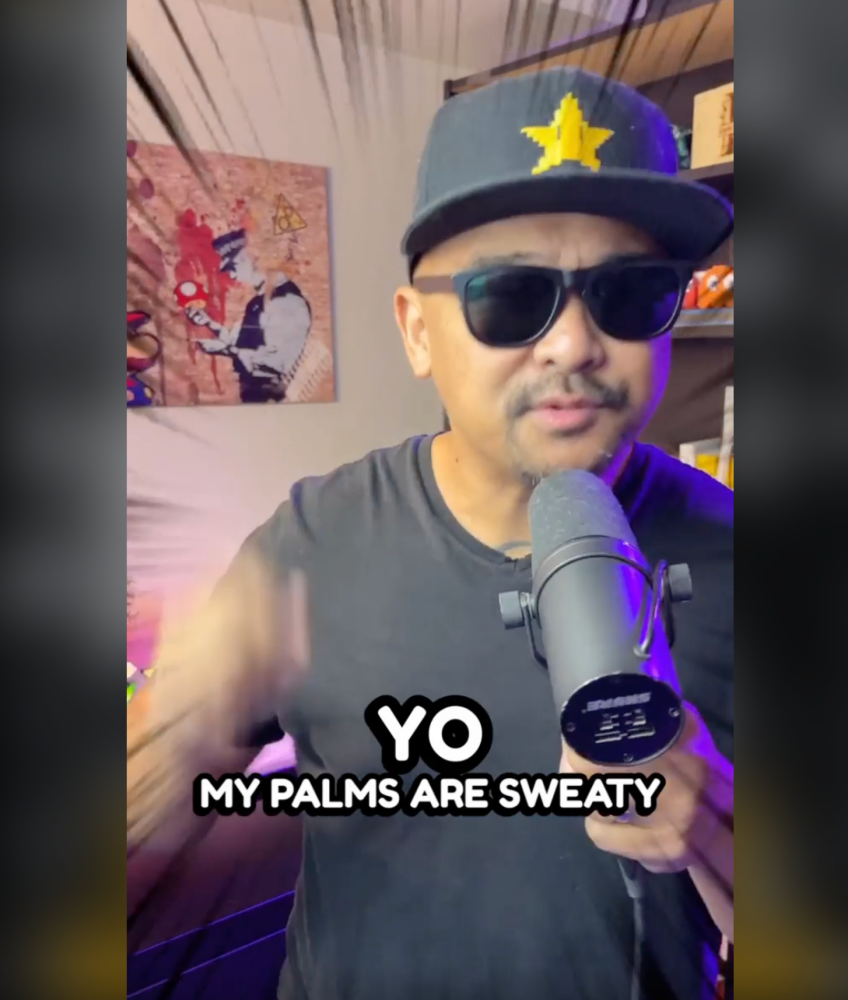
It's all for the sake of focus.
Before I left my job, I grabbed coffee with April Dunford. She told me the mistake that kills most consultants: "Ramli, don't try to do too many things at once. Focus on one thing and get REALLY good at it."
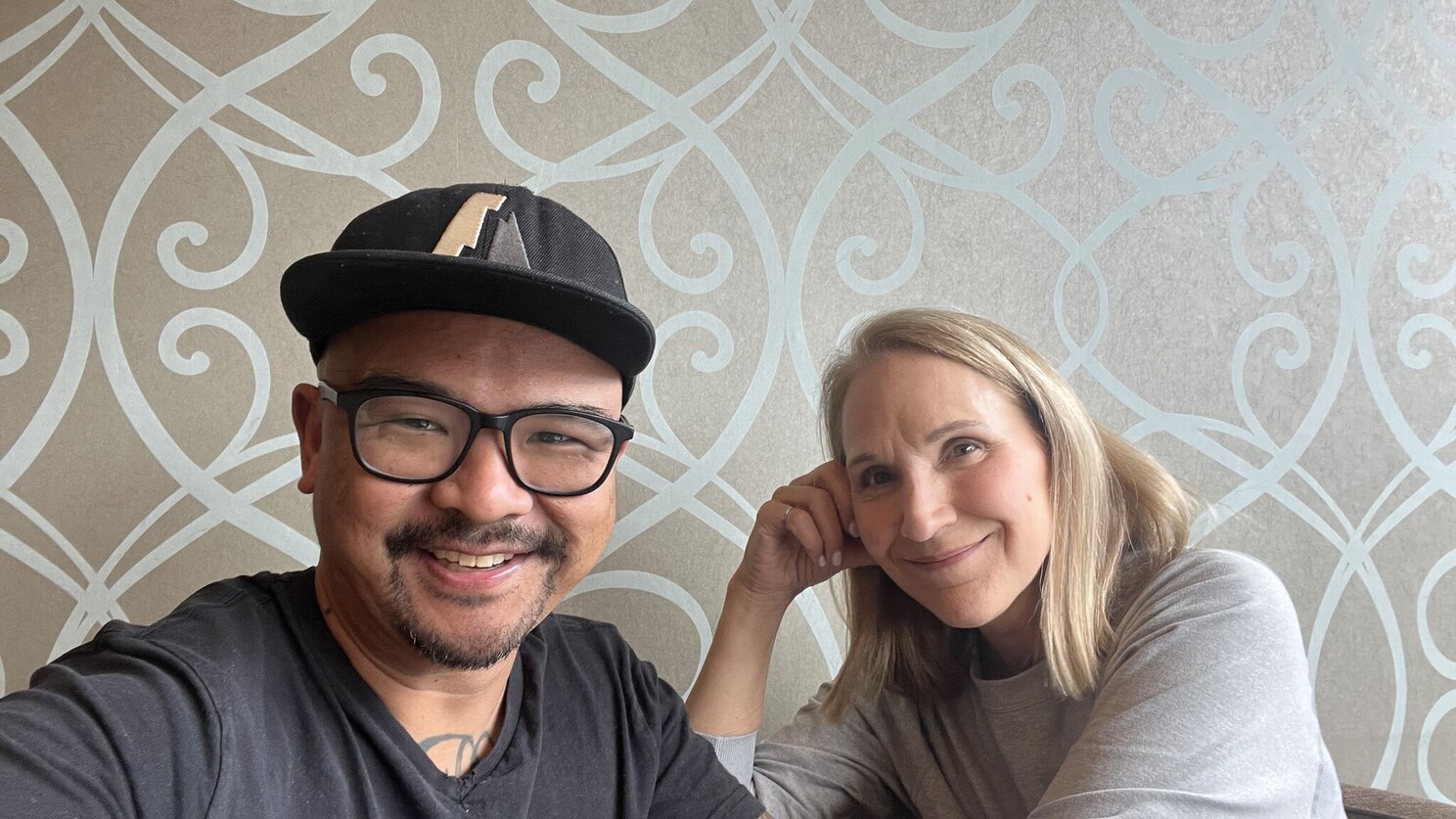
She shared how when she started her consulting business, she did a little bit of everything. She was underpaid and stressed out. Then she focused on ONE thing (positioning and messaging) and everything changed. No sponsorships for her newsletter. No course empire. No "diversified income streams." Just one exceptional offer, executed obsessively well.
I took her advice.
I shut down opportunities to do sponsorships for my newsletter. Several companies asked to sponsor—and saying no wasn't as easy as some people think. It comes with planning, scheduling, getting copy, and integrating ads. I didn't want to deal with that. I didn't launch another course or digital product.
Instead, I perfected one thing: the Onboarding Growth Sprint.
The result? This year, I closed my biggest deal with a Fortune 100 public company. Not because I was everywhere. Because I was focused.
But it all came with a cost.
I enjoy creating content. It gives me a ton of energy. I love the creative process, connecting with people who respond to it, and sharing knowledge in engaging ways.
That's what I'll be focusing on in 2026 (more on that later).
🧠 What did I learn?
1. Be intentional about connecting with your people.
Last year, I talked about building a personal board of advisors—friends, colleagues, and mentors who help me navigate difficult decisions, provide emotional support, and share practical strategies that worked in their own businesses.
One of the things I learned this year is to be more intentional about connecting with people. That means scheduling meetings in advance.
I've been doing this with Andrew Capland and Marc Thomas. But it hasn't gone as smoothly as I'd like—because if I don't send the calendar invite or block the time, it doesn't happen. I forget to reach out. Life gets busy.
I've realized that sending random messages isn't effective. Scheduling has been super important.
I'm also thankful to have connected with a community of solo consultants at Camp Solo. Seeing not just the wins, but also the challenges and questions others are facing has been invaluable. We're learning to ask for help sooner rather than later.
2. Focus is a gift, but comes at a cost.
The other thing I learned this year is not just the gift of focus, but also the cost of it.
I'm glad I didn't diversify too soon.
Inspired by Nathan Barry's essay, I realized that many solo consultants and creators end up building a "strip mall business"—just many different things spread thin across multiple fronts.
What Nathan suggests is that building skyscrapers is much better. This means really focusing on a signature product or offer.
He found, after interviewing many creators, that $10 million businesses are built on skyscrapers—not strip malls. But he also said you have to be selective about which skyscraper to build.
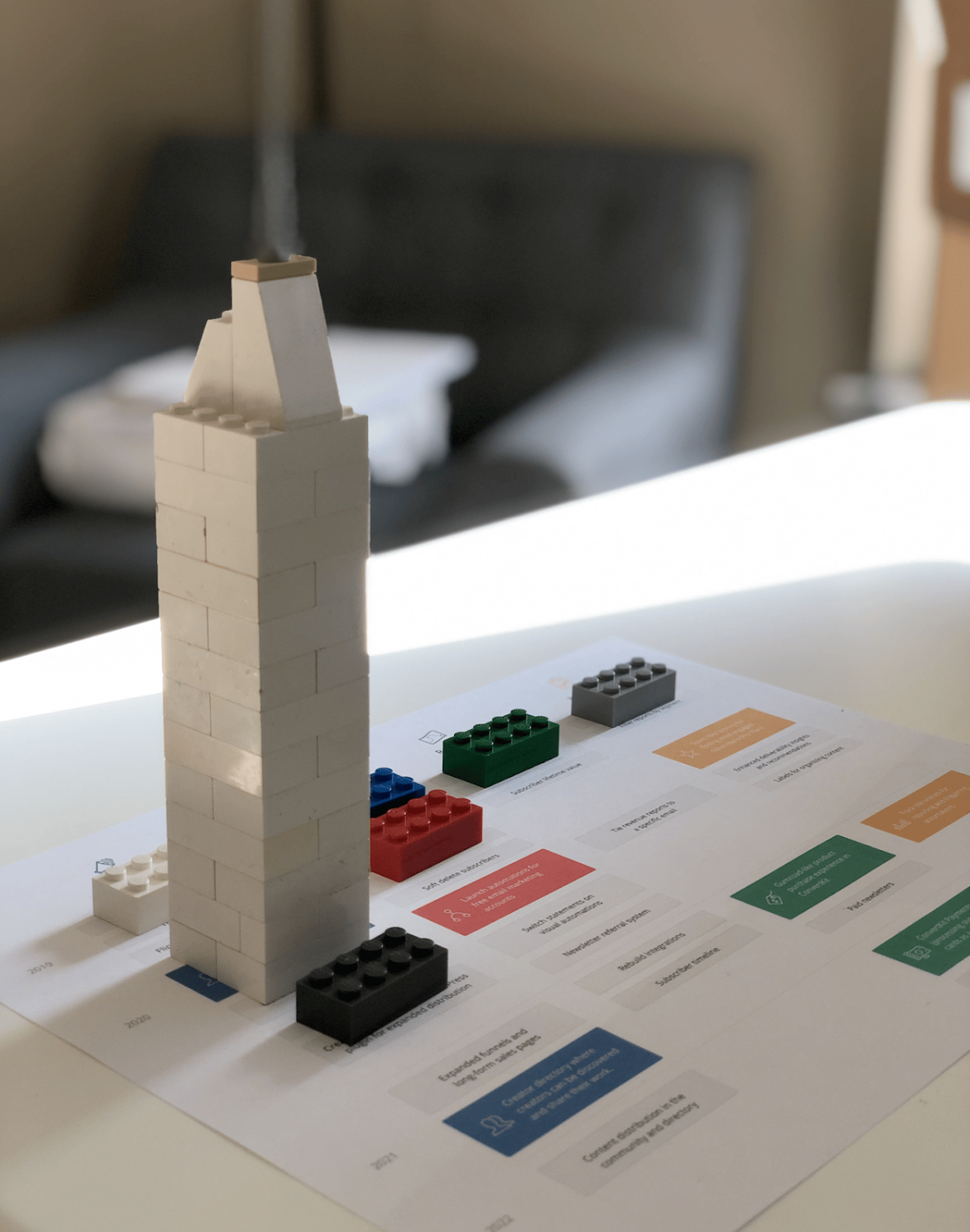
I chose consulting as my skyscraper for 2025 because it was the easiest path to support my family and build the financial foundation for what I truly see myself doing long-term.
I think selecting the right skyscraper is key. It should align with your ikigai—building what you love (or gives you energy), what you're good at, what the world needs, and what you can be paid well to do.
2025 was focusing on 3 of 4: what I'm good at, what the world needs, and what I'm paid to do.
2026 and beyond is finding my ikigai across all 4 realms.
🚀 What's ahead for 2026
Right now, 100% of my revenue comes from consulting.
By the end of 2026, I'm aiming for a 50/50 split between consulting and content/community.
Here are my three big bets:
1. Product Leaders Lab: Building a community and media brand
I'm launching Product Leaders Lab—a private community for VPs, Directors, and Heads of Product. After 6 months of planning, I launched with 22 founding members (more than 50% women 🔥) from companies like Adobe, S&P Global, 7shifts, Zynga, and more.
But it's not just a community—it's becoming a media brand with multiple assets:
A documentary-style podcast. 99% of podcasts are hour-long interviews. I'm launching something different: one impossible scenario per episode, three veteran product leaders who've lived it, three completely different approaches. Documentary-style editing (20-25 min, not 60+ min rambling).
Example episode: "The AI Ambush." Your CEO just announced an AI pivot without telling you. Product team is panicking. Board meeting in 48 hours. What do you do? I show you what three different VPs actually did—and you decide what you'd do in their shoes.
Other assets: State of Product Leaders Report, bi-yearly AI Product Leaders Summit, and in-person dinners.
I've already locked in almost $60,000 in sponsorships for the first 6 months.
I'm also co-authoring my third book, "Delightful Intelligence: How to Create AI Products Users Love" with C. Todd Lombardo, launching September 2026 with O'Reilly.
2. Hiring my first team members
I can't build this vision solo. I'm hiring two people on contract in January 2026 (converting to full-time by December):
→ Executive Assistant for planning, community, and events → Creative Producer/Editor for the YouTube podcast
This is a big step. I've been a solo operator for so long. But to create the impact I want, I need to build a team.
3. Running the Chicago Marathon
On a completely different note: I'm running my first marathon in October 2026.
The Chicago Marathon is one of the 7 World Marathon Majors. But I'm not running for the medal—I'm running for a close friend who was recently diagnosed with stage 4 prostate cancer. I'm raising $2,500 for the American Cancer Society in his honor.
After taking 2 weeks off from my first half marathon on November 2, I started my Chicago training block in December. Currently running 25-30 km per week, peaking at around 100 km per week. I'll also run another half marathon in May to stay sharp.
By the end of 2026, I'll be known less as "the onboarding guy" and more as a content creator and community builder serving product leaders.
That's the bet.
One more thing: my wife and I landed on a word for 2026 through prayer and fasting.
The word is SOAR.
It comes from Isaiah 40:31: "But those who hope in the LORD will renew their strength. They will soar on wings like eagles."
I don't talk much about it here, but my faith is a big part of my life. My dad is a pastor of a church in Toronto. The word we landed on is soar.
This is the year I soar.
I'm excited for 2026. I hope you are too!
🤔 How was your 2025?
How about you?
What's one thing you're most proud of accomplishing in 2025?
I'd love to know!
Take 10 seconds to hit reply and let me know. You can also leave a comment on Substack.
Thanks for being part of this journey with me. 2026 is going to be wild.


Related Posts